
What to Eat Before and After Pilates
You don't need a special diet to get more from Pilates. Here's when to eat, what makes a good pre-class snack, and how to refuel after class with simple foods you already have.
You don't need a perfect plan
Most of us fit Pilates in between school drop-off, work and dinner, so let's keep this simple. The goal is to feel light and steady on the mat, then refuel so you recover well, using food you already have in the kitchen.
One honest note before we start: most of the research on eating around exercise comes from athletes and people doing harder or longer training. The basic ideas carry over well to Pilates, but treat the numbers below as a starting point, not a rule.
When to eat before class
A meal, 1 to 3 hours before. This gives your body time to digest, so you're not doing roll-ups on a full stomach. Sports nutrition guidance for athletes suggests carb-based meals in the hours before training, with foods lower in fat and fiber close to the session because they are easier on the stomach.
A snack, 30 to 60 minutes before. If lunch was hours ago, a small snack can help. Keep it light. Pilates asks a lot of your core, and lying face down after a big meal is no fun.
Early morning class? Plenty of people do gentle or moderate Pilates before breakfast and feel fine. If you feel shaky or lightheaded, try something small first, like half a banana or a few bites of toast. Then eat a proper breakfast after class.
What makes a good pre-class snack
Look for mostly carbohydrate for energy, a little protein, and nothing too heavy, greasy or high in fiber right before you move. A few ideas:
- Half a banana with a spoonful of nut butter
- A slice of toast with honey or jam
- A small yogurt with berries
- A handful of crackers with a slice of cheese
- Applesauce or a piece of fruit
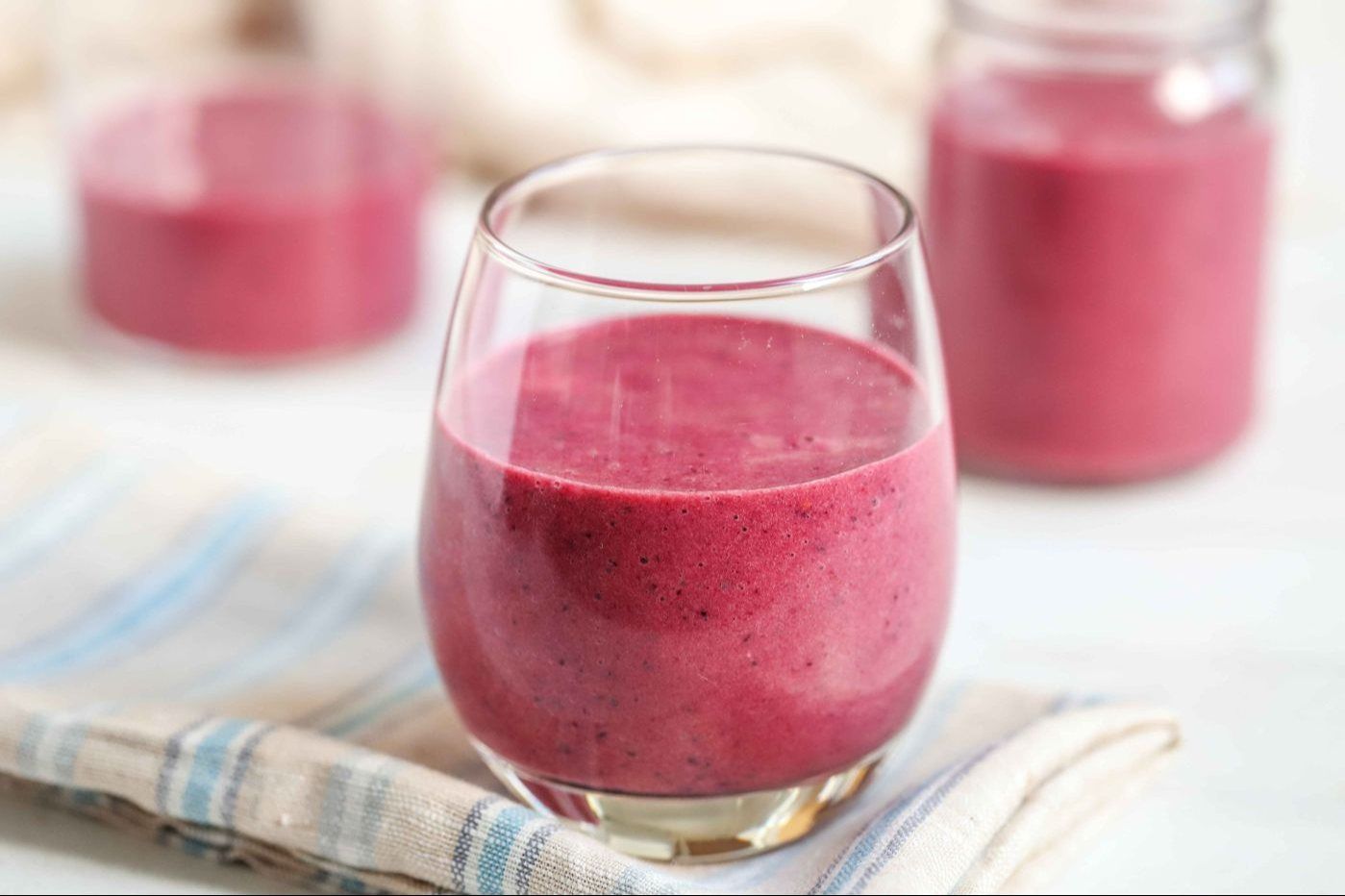
- A small smoothie made with milk and fruit
- A rice cake with a thin layer of nut butter
- A few dates or dried apricots
Hydration
Water helps regulate your body temperature and cushion your joints, and you need more when you're more active. Sip water through the day so you arrive at class already hydrated, rather than gulping a big bottle right before you start. Keep a bottle nearby during class, and drink again afterward. If your urine is pale yellow, you're generally on track.
What to eat after class
After class, aim for a meal or snack with protein plus carbs. Protein gives your muscles what they need to repair and get stronger. Carbs help replenish energy. Research in exercising adults shows good muscle-building responses when protein is eaten anywhere from right after training up to about two hours later, but you don't need to rush to the kitchen. If your next meal is coming up soon, that meal can be your recovery.
What matters most is how much protein you get across the whole day, spread over your meals and snacks. Sports nutrition groups suggest including a good source of protein every few hours rather than saving it all for dinner. That is why every recipe in Nourish is built around protein.
A few easy after-class ideas:
- Eggs on toast with spinach or tomatoes
- Greek yogurt with fruit and a sprinkle of granola
- A smoothie with milk or yogurt, fruit and oats
- Leftover chicken, rice and roasted vegetables
- A tuna or chickpea salad wrap
- Cottage cheese with fruit or on whole grain crackers
- A bean and veggie quesadilla
- Overnight oats made with milk and a spoonful of nut butter
| When | What to eat | Ideas |
|---|---|---|
| 1 to 3 hours before | A balanced meal, lighter on fat and fiber | Oatmeal with fruit, a turkey sandwich, rice with eggs |
| 30 to 60 minutes before | A small, easy snack, mostly carbs | Half a banana, toast with honey, a small yogurt |
| During class | Water | Small sips as you need them |
| After class | Protein plus carbs | Eggs on toast, Greek yogurt and fruit, leftovers |
| All day | Protein at each meal, water through the day | Spread protein over breakfast, lunch, dinner and snacks |
A note for strength days
On days you add weights, heavier springs on the reformer, or a tougher strength session, your muscles are working harder. Pay a little more attention to protein at the meal after class and at your other meals that day. You don't need supplements to do this. Everyday foods like eggs, dairy, fish, chicken, beans and tofu all count. Pilates that makes you stronger works best when your plate supports it.
Joining the Pilates X Strength 21-Day Challenge, starting Monday, Nov 30, 2026? It includes Challenge Meal Plans, so your before- and after-class meals are planned for you.
Everyone is different
Your needs depend on your body, your schedule, how you train and how you feel. If you're pregnant, managing diabetes or another medical condition, or just want a plan made for you, check with your doctor or a registered dietitian. They can tailor these ideas to you.
Questions
Is it OK to do Pilates on an empty stomach?
For many people, yes, especially for a gentle or moderate morning class. If you feel dizzy, shaky or weak, have a small snack like half a banana or a few bites of toast first. If you have diabetes or another health condition, ask your doctor what's right for you.
How soon after Pilates should I eat?
There's no need to rush. A meal or snack with protein and carbs within a couple of hours works well, and if your next meal is coming up soon, that can be your recovery meal.
Do I need a protein shake after Pilates?
No. A shake can be handy on a busy day, but everyday foods like eggs, yogurt, milk, fish, chicken, beans and tofu work just as well. Getting enough protein over the whole day matters most.
Related reading
Sources
- International Society of Sports Nutrition position stand: nutrient timing (Kerksick et al., 2017)
- International Society of Sports Nutrition Position Stand: protein and exercise (Jäger et al., 2017)
- Nutrition and Athletic Performance: joint position of Dietitians of Canada, the Academy of Nutrition and Dietetics and the American College of Sports Medicine (2016)
- About Water and Healthier Drinks (CDC)